School’s In…
Four Lessons for College Professors
by Laura L. Finley
A few days ago, I read on Facebook the re-posting of an essay, authored by a young college professor, which discussed the five things students should never say to their professors. Originally  published in USA Today, the list includes such gems as “Did I miss anything important?†“I took this class for an easy A,†“I didn’t know we had anything due,†“I was studying for another course so couldn’t do my work for this class,†and “Did you answer my email yet?â€
While I, like so many professors, have been asked all of these questions during my teaching career, I want to offer a different list, this one for professors. Too often, educators, and especially professors, seem to operate from the perspective that “this job would be okay if it weren’t for the kids.†That list of questions not to ask, in my mind, comes from the same place. While it may have been intended to help students get in good with their professors, it seems to suggest that students are clueless dolts who are annoyingly self-centered. (more…)
 Gloria Anzaldua, who has been one of my heroines since I first read her seminal work Borderlands/La frontera back in the 1980s, always insisted that queer folk have a special role to play in bringing about a change in human consciousness — moving us from the patriarchal mold of the past 5,000 years or so to what she called “a new mestiza consciousness,†a much more holistic, inclusive, planetary awareness.
 Later, mid-afternoon, as I walked to the grocery, a disheveled man approached. “Can you spare a dime? I need something to eat,†he said. I started to tell him I’d tossed one on his behalf just hours before — that if my wish came true, he wouldn’t be hungry. No one would.
 kind, the Institute is an eight-day intensive training for North American organizers and activists, hosted by none other thanÂ
kind, the Institute is an eight-day intensive training for North American organizers and activists, hosted by none other than  “Analysts said the administration was still grappling with the fact that drones remained the crucial instrument for going after terrorists in Yemen and Pakistan — yet speaking about them publicly could generate a backlash in those countries because of issues like civilian casualties.†–Â
“Analysts said the administration was still grappling with the fact that drones remained the crucial instrument for going after terrorists in Yemen and Pakistan — yet speaking about them publicly could generate a backlash in those countries because of issues like civilian casualties.†– 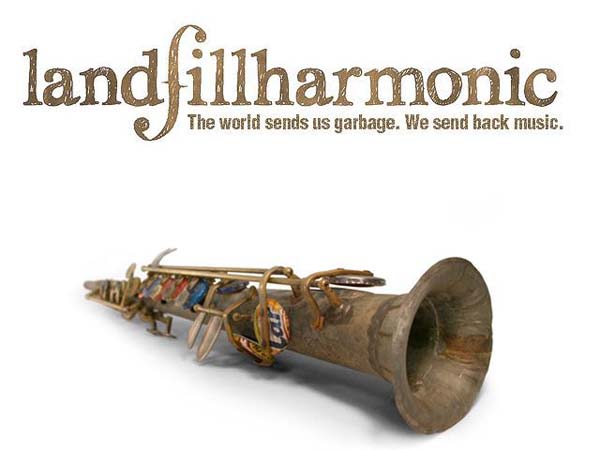 And the music came, up from the garbage, through her hands and heart and out to the world. My god, she was playing a violin made out of an old can. A boy was playing a cello crafted with more love and ingenuity than I can imagine, from a used oil drum, old wool and tossed-out beef-tenderizing tools.
 To various degrees, these practices — and many others — have been eliminated or reduced and stigmatized.
