Global Rescue Plan
Daring to Dream of a Just and Peaceful World
by David Swanson
When the wealthy nations of the world meet as the G8 or in any other gathering, it’s interesting to imagine what they would do if they followed the golden rule, valued grandchildren, disliked unnecessary suffering, or wished to outgrow ancient forms of barbarism, or  any combination of those.
The United States alone is perfectly capable, if it chooses, of enacting a global Marshall plan, or — better — a global rescue plan. Every year the United States spends, through various governmental departments, roughly $1.2 trillion on war and war preparations. Every year the United States foregoes well over $1 trillion in taxes that billionaires and centimillionaires and corporations should be paying. (more…)
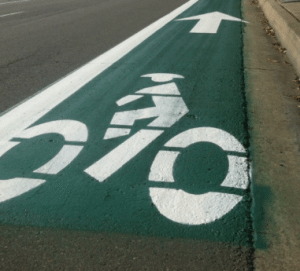 and 7th avenues in Manhattan where riders were protected from speeding traffic by asphalt barriers. It was unlike anything most Americans had ever seen, and some people roared their disapproval. Within weeks, the bike lanes were gone.
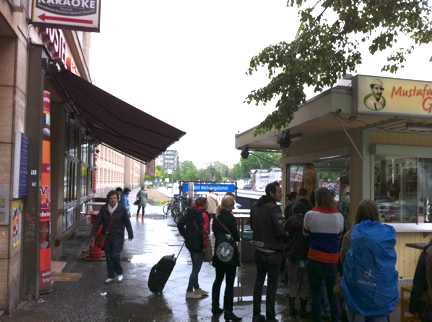 took my meditation break outdoors on a crowded but peaceful, umbrella-crammed street. Not surprisingly, a thought came to me.
 states. In ancient Greece, small farmers invented democracy and the polis. They also defended the state. Xenophon, an Athenian general, a student of Socrates, and philosopher of late fifth century BCE, praised agriculture as the mother of all the arts and sciences and civilization.(1)
 things: Â “the diversification or conversion of defense-related industries with an emphasis on encouraging environmentally-sustainable and civilian product manufacturing. On or before December 1, 2014, the commission shall submit such report to the Governor and, in accordance with the provisions of section 11-4a, to the joint standing committee of the General Assembly having cognizance of matters relating to commerce.”
 out of the land uncounted number of peasants, American large farmers have been using the power of the state to bring about a civilization shift in rural America.
 The too-successful human species catches up with nature-based realism upon questioning the side-effects of destructive technologies. We are not yet all on the same page, but human consciousness may turn on a dime, like global climate when it reaches a tipping point. The latter may have to happen to enable the former.
