Circulate and Grow
From the War on Poverty to the Revolution in the Garden
by Pancho McFarland
I teach a “Class and Stratification†course for the Sociology Program at Chicago State University.  In the course we focus on inequality, the global capitalist economic system, critiques of it and examinations of alternative economic systems.  We examine  the problems of inequality caused by the capitalist economy and then focus on our city, Chicago, as a means to understand our places in the economy as working class people of color.  To learn about ourselves in Chicago I use a text written by the Chicago Grassroots Curriculum Taskforce.  The book, Urban Renewal or Urban Removal? is volume one of a planned eight.  Authors of the text include activists, teachers, parents, long-time residents and professors.  It is a grassroots bunch of dedicated organic intellectuals. (more…)
 computer-screen-based symbol to follow, the last weeks have not been kind to progressive icons. Death and dismemberment by mass media has caused the splashing of countless smiling images upon us, but blurred the messages which were central to the lives of dear Madiba and Pete.
  boxes opened to reveal a cross-legged, turban-wearing musician playing the kamancheh. Then another curtain opened. Another musician behind that curtain. And another. And another.
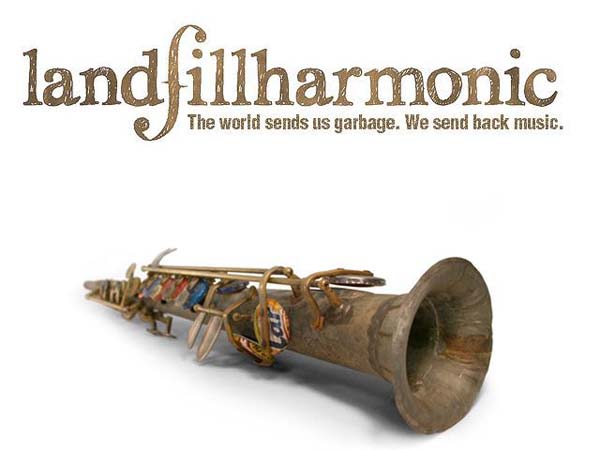 And the music came, up from the garbage, through her hands and heart and out to the world. My god, she was playing a violin made out of an old can. A boy was playing a cello crafted with more love and ingenuity than I can imagine, from a used oil drum, old wool and tossed-out beef-tenderizing tools.
 In the 1960s and 70s, Seattle experienced an influx of gay men moving from areas of hate crimes to a more open-minded environment. The greater Seattle Area historically has been accepting of LGBTQ people. One salient way Seattle caters to the community is through bars and other socializing venues that cater to LGBTQ singles and couples.