More than a Trend
Urban Agriculture in Mexico City: Healthy and Necessary
by Devon G. Peña
The Colhua Mexica (Aztec) twin island cities of Tenochtitlan and Tlatelolco were filled with urban farms, home kitchen gardens, fish-stocked ponds, and aviaries. Two large lakes south of the cities were filled with highly productive floating gardens known 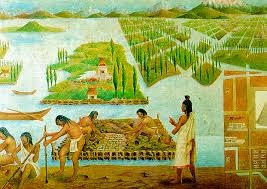 aschinampas. These ancient Mesoamerican city-states were basically food self-sufficient. The conquest destroyed most of these cultural ecological landscapes and built Mexico City with the rubble of demolished temples, schools, colleges, homes, and other buildings. Mexico City has never been able to reproduce this ideal condition of food self-sufficiency and instead basically sucks the energy out of the Mexican countryside and — ever since NAFTA — from fresh produce and processed food imported or manufactured with ingredients from the U.S. and other countries. (more…)
 The United States has become home to a large number of people born outside its borders — there were some 40 million as of 2010, according to various estimates. That was up from approximately 20 million in 1990.
 amendment dramatically expands enforcement along the U.S.-Mexico border creating what Senator John McCain
  in the political upsurges of the 1930s, in both Mexico and the United States. Many photographers were political activists, and saw their work intimately connected to workers strikes, political revolution or the movements for indigenous rights.
 rooted in the No Child Left Behind Act,” and condemned its “extreme misuse as a result of ideologically and politically driven education policy.” AFT President Randi Weingarten proposed instead that “public education should be obsessed with high-quality teaching and learning, not high-stakes testing.”  In Seattle teachers at Garfield High have refused to give them.