Rewriting the Human Story
Oh sacred planet…
by Robert C. Koehler
The terror of climate crisis is a long time in the making. As I read about the mass mobilization forming around the upcoming U.N. climate change convention, which is likely to accomplish far too  little — because what’s needed is change at the roots of civilization — I feel a desperate impatience, a tearing at my soul. What can I do that’s bigger than anger, bigger than a demand for governmental and corporate entities to make changes they are essentially incapable of making?
Maybe I can help rewrite the story of civilization, which means unwriting the present story. From the Dark Mountain Manifesto, for instance, here are two of the “eight principles of uncivilizationâ€:
“We believe that the roots of these crises lie in the stories we have been telling ourselves. We intend to challenge the stories which underpin our civilization: the myth of progress, the myth of human centrality, and the myth of our separation from ‘nature.’ These myths are more dangerous for the fact that we have forgotten they are myths…. We will reassert the role of storytelling as more than mere entertainment. It is through stories that we weave reality.†(more…)
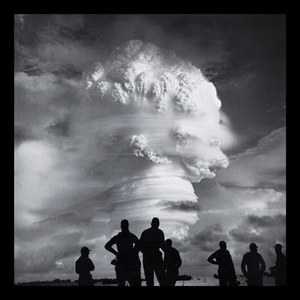
 My God. There’s more darkness in this quote than the New York Times intended. I winced when I read these words of Ottmar Edenhofer, co-chairman of the committee that wrote the latest United Nations Intergovernmental Panel on Climate Change IPCC report, which the Times quoted in a recent editorial headlined “
 and through each of our relations and actions.
 I recently quoted that Bible verse in a column about the increasing velocity of climate change: “And God said . . . let them have dominion over the fish of the sea, and over the fowl of the air,†etc. Dominion! Nature belongs to us, to suck dry and toss away. And thus we moved out of the circle of life and became its conquerors, an attitude at the core of the Agricultural Revolution and the rise of civilization. The momentum of this attitude is still driving us. We don’t know how to stop, even though most people now grasp that we’re wrecking the environmental commons that sustains life.
 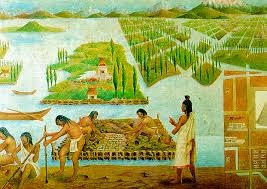 aschinampas. These ancient Mesoamerican city-states were basically food self-sufficient. The conquest destroyed most of these cultural ecological landscapes and built Mexico City with the rubble of demolished temples, schools, colleges, homes, and other buildings. Mexico City has never been able to reproduce this ideal condition of food self-sufficiency and instead basically sucks the energy out of the Mexican countryside and — ever since NAFTA — from fresh produce and processed food imported or manufactured with ingredients from the U.S. and other countries.
 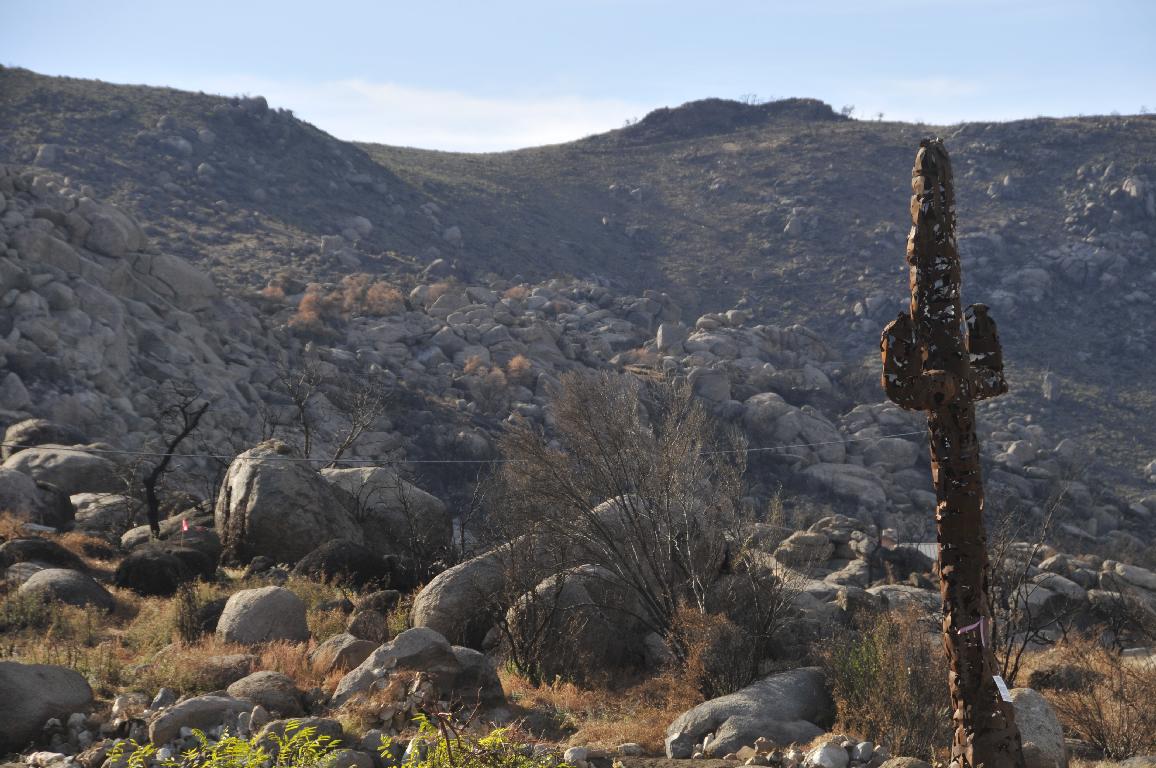 I grabbed my camera and headed out to the Doce Fire area south of Granite Mountain. Fierce little rain squalls gave me subjects to explore visually. The powdered ash deposits post-fire are very vulnerable to erosion, a step in the ecologic process I wanted to capture.
