Is There Another Way?
Sexual Assault, Justice, and Just-ness
by Laura L. Finley
I, like many sexual assault advocates, have struggled with two competing feelings about the harshness of the criminal justice system versus the treatment of rapists. On one hand, I believe in second chances, am critical of the prison industrial complex, and disavow mass incarceration as an  alleged “solution†to crime. I am especially troubled by the racism of our criminal justice system, which has resulted in the incarceration of far too many black men. On the other hand, the gentle treatment given to sexual assailants brings tears to my eyes.
Given that it is incredibly difficult for a victim to not only report sexual assault but also to undergo the terrifying and humiliating physical examination, then to endure the victim-blaming that inevitably occurs in the courtroom, I find myself disturbed by the ridiculously light sentences handed down to individuals who are guilty. Of course, even worse are those who never face any punishment, which is some 97 percent of rapists. Below are just a few instances to illustrate how the courts minimize sexual assault. What is notable is that the perpetrators are privileged white males. Yet advocating harsh sentences inevitably has a more significant impact on people of color than on these white males. Hence the dilemma—but, perhaps these binary options are not the only ones before us. (more…)
 referred to as thugs and animals, with black and Mexican American students singled out for particular abuse. Teachers said they wouldn’t be able to teach if they couldn’t remove disruptive students from the classroom. Both candidates for mayor declared their opposition to the new policy.
 Hold the dream with me, as it breaks loose from Jameale Pickett’s poem. Something beyond the insane dance of crime and punishment is happening, at least this year, this moment, in Chicago’s high schools. Young people are getting a chance to excel and become themselves, as more and more schools find and embrace common sense, also known as restorative justice.
 I gape at the TV in disbelief: I’m supposed to fly out of Los Angeles Airport — Terminal 3, no less — that afternoon, but all I see is footage of scrambling police and snarled traffic. If I’d booked an earlier flight, I could have been sitting there when the 23-year-old gunman shot the TSA agent at the foot of the escalator, then wandered through the gate area with his rifle and his grievances.
 “Our children slammed us against a brick wall,†Burma Bushie said.
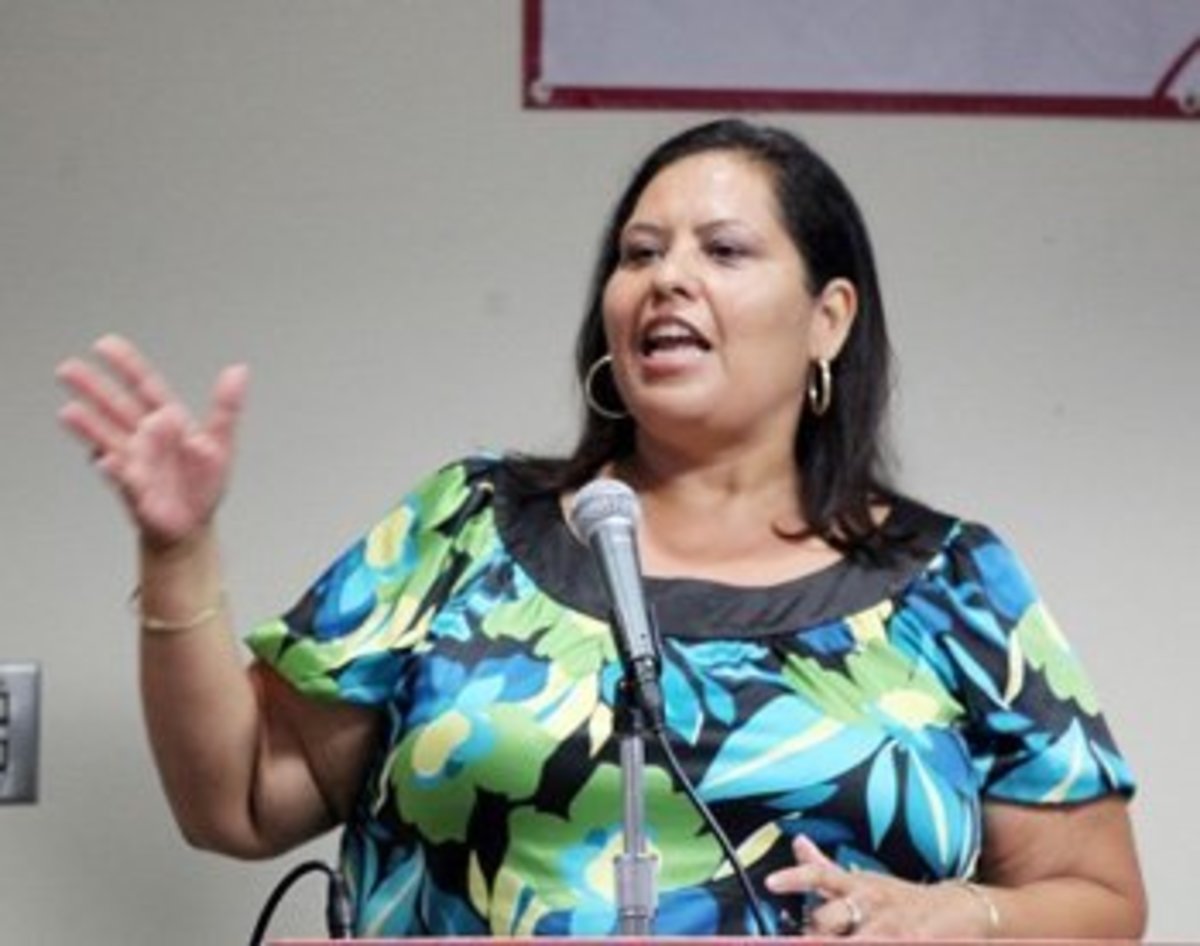 Recently, after the school year began with LAUSD rolling out a plan to replace punitive disciplinary measures with the practices of restorative justice, Garcia was applauded by community advocates at a meeting at Loyola Law School. In return, she gave the activists their props: “It’s because of your advocacy,†she said.
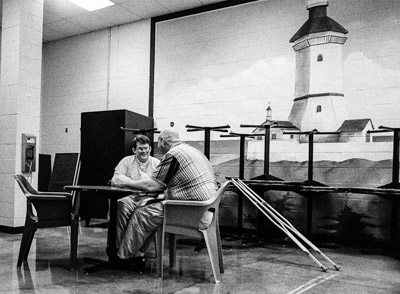 seeking to reenter society. She liked what I’d done advocating for gang members, prisoners, and criminal justice reform, but in her view I had fallen short. “You have to meet the victims, too,” she said.
