Children Matter
Coping with the Trauma of Incarcerated Parents
by Diane Lefer
Imagine that as you read these words, someone bursts into the room and holds a gun to your head. Your body and brain react instantly to the threat in ways that can be measured scientifically as cortisol floods your system.
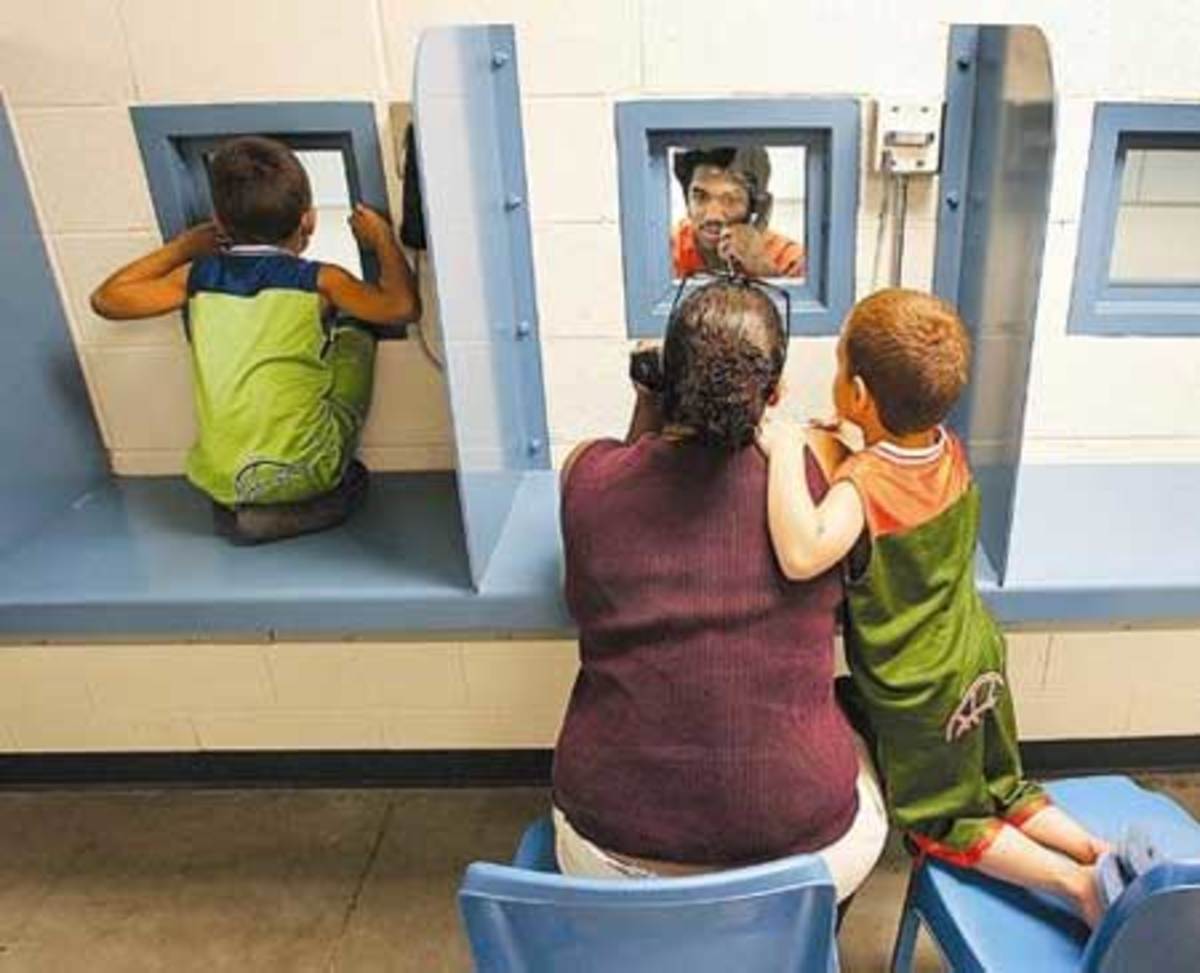 The same level of cortisol is found in young children when separated from a primary caregiver. That absence feels as life-threatening as a loaded gun, explained Ann Adalist Estrin, currently the Director of National Resource Center on Children of Incarcerated Parents.
The adult calms down, she continued, when the threat is ended. Dopamine floods the system with relief. But in a young child, the dopamine response comes from contact with the caregiver. So what happens if the caregiver is gone? Toxic stress can change the chemistry and actual architecture of the developing brain, potentially with lifelong consequences.
Today, approximately 2.7 million American children are separated from a parent because of arrest and lockup in prison or jail. Do we simply accept that these kids will be collateral damage in our culture of mass incarceration? (more…)
 “In every work of genius we recognize our own rejected thoughts: they come back to us with a certain alienated majesty.â€Â What if?
 The answers provided by the evening’s presenters — all women at various stages of their lives — were various, but there was a common theme: mothers make families, mothers make relationships, mothers make community.
 According to the Equal Justice Initiative, more than 70,000 children are doing time in either juvenile or adult facilities. During our EPIC Journey, the
  “But it just stings like a bee-sting, Mom,†my son protested. “It just leaves a welt. Why are you getting so upset?â€