More than a Trend
Urban Agriculture in Mexico City: Healthy and Necessary
by Devon G. Peña
The Colhua Mexica (Aztec) twin island cities of Tenochtitlan and Tlatelolco were filled with urban farms, home kitchen gardens, fish-stocked ponds, and aviaries. Two large lakes south of the cities were filled with highly productive floating gardens known 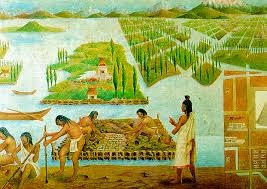 aschinampas. These ancient Mesoamerican city-states were basically food self-sufficient. The conquest destroyed most of these cultural ecological landscapes and built Mexico City with the rubble of demolished temples, schools, colleges, homes, and other buildings. Mexico City has never been able to reproduce this ideal condition of food self-sufficiency and instead basically sucks the energy out of the Mexican countryside and — ever since NAFTA — from fresh produce and processed food imported or manufactured with ingredients from the U.S. and other countries. (more…)
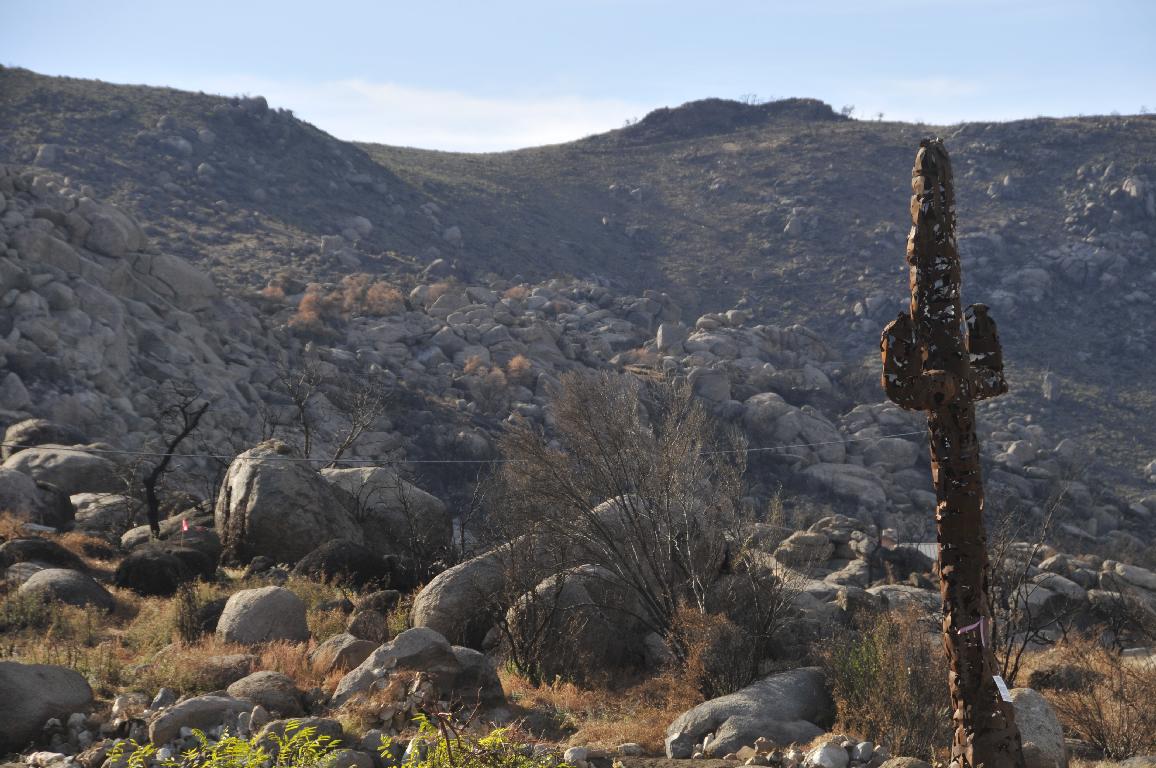 I grabbed my camera and headed out to the Doce Fire area south of Granite Mountain. Fierce little rain squalls gave me subjects to explore visually. The powdered ash deposits post-fire are very vulnerable to erosion, a step in the ecologic process I wanted to capture.
 payments.â€
 by an organic tool kit. Our technology was mostly biodegradable and not very powerful. Nature was strong — humanity was weak. I am not suggesting we want to revert to that relationship, but did we go in the right direction, and if not, what can we do about it now?
 god of the oceans and seas; Metis, daughter of the Ocean River god and first wife of Zeus, was goddess of intelligence and mother of Athena, goddess of the arts of civilization.
 the police, shooting firecrackers, martyring themselves in hunger strikes — causing havoc, threatening the national economy, pushing the blind eye of government to see their demands. All the while, activists, protestors, and anti-globalization visionaries in “advanced†societies are stunned, inspired, awed. And green with envy.
 haired young people in white shirts, a subspecies of guards — stern-looking lads with bull’s napes, a subspecies of builders — lads from other towns. The old age people are rarely seen on the streets. I peer at the faces, hoping to recognize familiar ones. But no, no way, they are all long gone. The species, the environment have changed irrevocably. Sad, but true.
