Water World
Are We Approaching a Global ‘Cadillac Desert’?
by Evaggelos Vallianatos
Water for the Greeks was the immortal natural world. The supreme Greek god, Zeus, sent rains; Poseidon, brother of Zeus, was the  god of the oceans and seas; Metis, daughter of the Ocean River god and first wife of Zeus, was goddess of intelligence and mother of Athena, goddess of the arts of civilization.
Homer said the god of metallurgy, Hephaistos, sculpted the great Ocean River surrounding the Earth on the outermost rim of Achilleus’ shield. Achilleus, son of a water nymph, was the Greeks’ greatest hero during the Trojan War.
And the first Greek natural philosopher, Thales, proposed in the seventh century BCE that water was the stuff of life and the cosmos. (more…)
 A violent young rebel is imprisoned for decades but turns that imprisonment into the training he needs. He turns to negotiation, diplomacy, reconciliation. He negotiates free elections, and then wins them. He forestalls any counter-revolution by including former enemies in his victory. He becomes a symbol of the possibility for the sort of radical, lasting change of which violence has proved incapable. He credits the widespread movement in his country and around the world that changed cultures for the better while he was locked away. But millions of people look to the example of his personal interactions and decisions as having prevented a blood bath.
 It’s curious because it doesn’t make much of a case — or at least not the sort of case I would have liked — for why we should create atheists.
 Student Amaya Newton said, “I believe it was because I saw him getting bullied a couple of times and I think he took out his bullying.â€
 between its legs, it declares victory every time. And, depending on how you define victory, it certainly leaves lasting effects. The cancer and birth defects and poisoned water supplies bear witness: there was an occupation here.
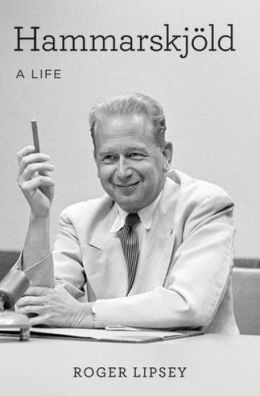 glance Hammarskjöld appears to be, in the combination of his monastic bachelor dedication to his role and his veiled diplomatic tact, a uniquely unknowable person.
 wrote a book about the most common war lie varieties. I called itÂ
wrote a book about the most common war lie varieties. I called it 
