Privacy, Security, Sanity
Caught in a Single, Interlaced Web of Danger and Possibility
by Robert C. Koehler
What I keep longing to hear, in the hemorrhaging national debate about Edward Snowden, whistleblowing and the NSA, is some acknowledgment of what the word “security†actually means, and what role — if any — the government should play in creating it.
 “You can’t have 100 percent security and also have 100 percent privacy.â€
A moment of silence, please, for the dying patriarchy. That, of course, was how President Obama explained it to the American public shortly after the spy scandal hit the fan. When did we become “the children†in our relationship with the government, irrelevant to its day-to-day operations, utterly powerless as we stand in its massive, protecting shadow? (more…)
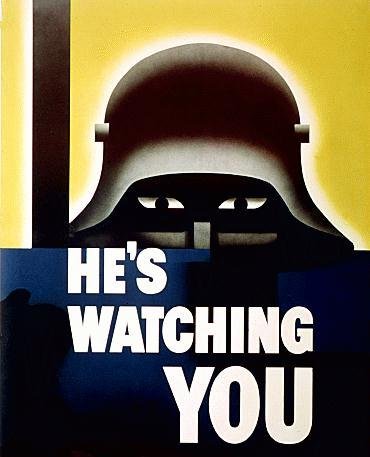 walking paths of their kingdoms, in the interest of country, duty, honor. You know, to scour each other’s lives. It’s not unlike the Buddy System. That other name, Insider Threat Program, sounds harsh.
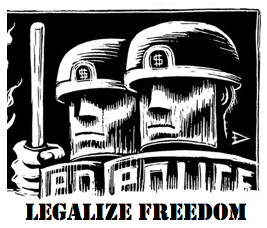 * The threat of physical violence posed by police and associated agencies that can instill fear without even making direct contact with civilians. * Job-insecurity and obsession about money for survival and self-image. * The car-oriented infrastructure that makes most streets potential death zones for pedestrians and bicyclists, not to mention creating ugly urban blight. (Not necessarily listed in order of importance.)
* The threat of physical violence posed by police and associated agencies that can instill fear without even making direct contact with civilians. *Â Job-insecurity and obsession about money for survival and self-image. *Â The car-oriented infrastructure that makes most streets potential death zones for pedestrians and bicyclists, not to mention creating ugly urban blight. (Not necessarily listed in order of importance.) expanding on such models might begin to right the wrongs of an incredibly unequal society that is growing even more unequal by the day.
 the American prominence of the movement has faded, worldwide if scattered resistance continues. Focusing on domestic possibility, Matthew Fox and Adam Bucko in conversation relate their stories and create an agenda in Occupy Spirituality: A Radical Vision for a New Generation (Berkeley: North Atlantic, Sept. 3, 2013). Jay Michaelson shares their ideal, if from an arguably more specific perspective, as his title Evolving Dharma: Meditation, Buddhism, and the Next Generation of Enlightenment (Berkeley: North Atlantic, Oct. 15, 2013) indicates. This review explores their intersections, and summarizes their visionary themes, beginning with the Occupy book.
  amendment dramatically expands enforcement along the U.S.-Mexico border creating what Senator John McCain
  data from the obscenely insincere. The emails open with a clever ploy, use of the familiar, my given name. It’s almost intimate. Some are signed “Barackâ€. Here’s one, minus a few sentences:
