Dead or Alive?
Reflections on 30 Years of the Environmental Justice MovementÂ
by Devon G. Peña
I was having a very serious conversation this morning with a University of New Mexico graduate student preparing for her dissertation proposal defense when talk eventually turned to the question of the status of the environmental justice movement (EJM).  My colleague — who is a highly respected activist in New Mexico — declared that the movement is largely dead. The EJM, she explained, is a casualty of defunding and especially the loss of financial support for the various national and regional networks. There is no national movement, she argued, because the funders abandoned their commitment to the EJ organizations.
I can vouch for at least aspects of this view in that sense that many of the larger, trend-setting grantmakers like the Ford Foundation refused to fund what would have been the Third Environmental Justice Summit we had planned for 2012; with the painful absence of Ford, no other funders stepped into the void to continue supporting an earth-shaking, history-making event. (more…)
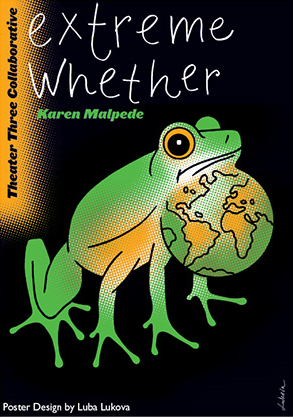 So, I already had a weird sort of family relationship to Hansen, whom I’ve never met, before I read Extreme Whether, a new play by the brilliant Karen Malpede that tells a personal story of Hansen in which everything is also political.
 let’s not forget the lowly commons all around that enrich our lives. Things like sidewalks, playgrounds, community gardens, murals, neighborhood hangouts, and vacant lots. Especially vacant lots.
 “You can’t have 100 percent security and also have 100 percent privacy.â€
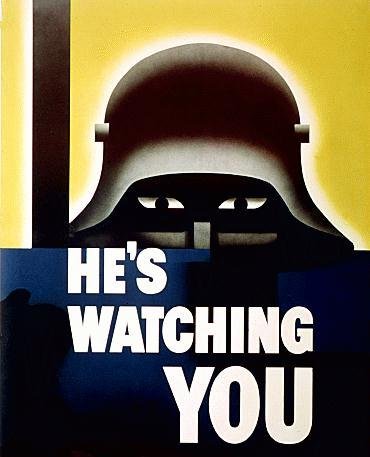 walking paths of their kingdoms, in the interest of country, duty, honor. You know, to scour each other’s lives. It’s not unlike the Buddy System. That other name, Insider Threat Program, sounds harsh.
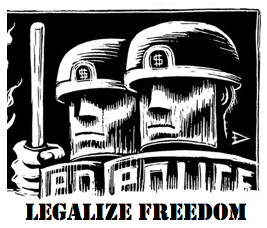 * The threat of physical violence posed by police and associated agencies that can instill fear without even making direct contact with civilians. * Job-insecurity and obsession about money for survival and self-image. * The car-oriented infrastructure that makes most streets potential death zones for pedestrians and bicyclists, not to mention creating ugly urban blight. (Not necessarily listed in order of importance.)
* The threat of physical violence posed by police and associated agencies that can instill fear without even making direct contact with civilians. *Â Job-insecurity and obsession about money for survival and self-image. *Â The car-oriented infrastructure that makes most streets potential death zones for pedestrians and bicyclists, not to mention creating ugly urban blight. (Not necessarily listed in order of importance.) expanding on such models might begin to right the wrongs of an incredibly unequal society that is growing even more unequal by the day.
