A Sustainable Future
Visions of a Post-Carbon World
by Peter G. Cohen
Surely one of the reasons that it is so difficult to achieve meaningful environmental legislation is that we don’t have a vision of a sustainable future. That’s understandable. For the last 250 years we’ve used coal and oil for energy rather than human and animal  labor with great success. We’ve become dependent on carbon fuels. Coal and oil companies have spent millions to make sure that it stays that way.Â
Coal has become the main source of electricity, which is so wonderfully clean and convenient that people can’t wait to get the latest electrical gadgets. Oil developed with the gasoline engine in cars, ships and planes. Now it is also essential for plastics and hundreds of chemicals. Gas was at first a lighting fuel and now can be used to heat homes and dinners, to power cars, electrical generators and factories.
These fossil fuels have been an enormous benefactor of mankind. We resist learning that by burning them we are destroying the climate that makes life possible. Furthermore, the big enemy, atmospheric CO2, is invisible. We can see smoke and soot, but not carbon dioxide or methane. They are invisible assailants. We must trust our scientists to read the signs of degrading earth and changing weather. Everything that science has predicted about climate change is coming true, only at a faster rate than anticipated. (more…)
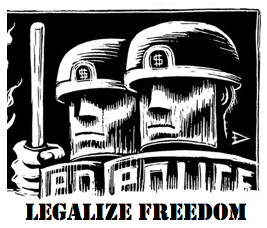 * The threat of physical violence posed by police and associated agencies that can instill fear without even making direct contact with civilians. *Â Job-insecurity and obsession about money for survival and self-image. *Â The car-oriented infrastructure that makes most streets potential death zones for pedestrians and bicyclists, not to mention creating ugly urban blight. (Not necessarily listed in order of importance.)
 things: Â “the diversification or conversion of defense-related industries with an emphasis on encouraging environmentally-sustainable and civilian product manufacturing. On or before December 1, 2014, the commission shall submit such report to the Governor and, in accordance with the provisions of section 11-4a, to the joint standing committee of the General Assembly having cognizance of matters relating to commerce.”
 The too-successful human species catches up with nature-based realism upon questioning the side-effects of destructive technologies. We are not yet all on the same page, but human consciousness may turn on a dime, like global climate when it reaches a tipping point. The latter may have to happen to enable the former.
 most tied up with the American dream — the home. Especially in the face of 2008’s economic crisis, more and more Americans are embracing the “Tiny House Movement,†in which each square foot is utilized to its full potential. Living small is, in its own way, a form of subversion: It decommodifies the idea of “home,†promotes a DIY (Do It Yourself) ethic in one the largest sectors of the U.S. economy, and places control back into the hands of homeowners instead of finance capitalists, speculators and the global market.
  hippies). When a grassroots wing of the environmental movement went after road building and pavement (tarmac) two decades ago, it was quite fringy for mainstream enviros. Then when we went after plastics a decade ago, this too was considered “out there,” and kept low on the list of concerns for the average campaigner.