Signs of the Times
Reflections on a Society in Turmoil
by Randall Amster
Today we are confronted with a convergence of crises that is unparalleled in recent memory. Overtly discriminatory policies, the elevation of oppressive ideologies, ignorance and disregard as  political virtues — these are among the hallmarks of this moment. As outrageous as this is, it is also important to remember that none of this exists in a vacuum, and that to some extent these patterns have been with us in various forms for a long time. In considering the cultural context for navigating contemporary challenges, I am drawn to recollections from not long ago…
Exiting a natural foods store in the southwest a few years ago, I noticed a person flying a sign on the side of the road. It was apparently a young woman, complete with piercings and other hallmarks of the disheveled look that is sometimes known as “crusty†or “gutter punk†in many cities. What stood out for me, indelibly in this case (in addition to the feelings I experience any time I see someone asking for help in such a manner) was the language on her sign, composed of three words in all: Broke. Hungry. Ugly. (more…)
 It’s curious because it doesn’t make much of a case — or at least not the sort of case I would have liked — for why we should create atheists.
 Move over, We Buy Ugly Houses.com and Jackass Presents Bad Grandpa. Here was religious faith on a billboard, refuting non-belief in letters three feet high. I was visiting Los Angeles, driving with a friend along La Cienega Boulevard, when this king-size ad for religious certainty smacked us in the eye.
 haired young people in white shirts, a subspecies of guards — stern-looking lads with bull’s napes, a subspecies of builders — lads from other towns. The old age people are rarely seen on the streets. I peer at the faces, hoping to recognize familiar ones. But no, no way, they are all long gone. The species, the environment have changed irrevocably. Sad, but true.
 illusion. Expansion über alles! That’s our species’ birthright, and rightful destiny.
 In it, Buffett takes to task what he calls “the Charitable-Industrial Complex,†the philanthropic crowd who piously seek to save the world, as long as the R.O.I. is sufficiently rosy and the status quo is not upset.
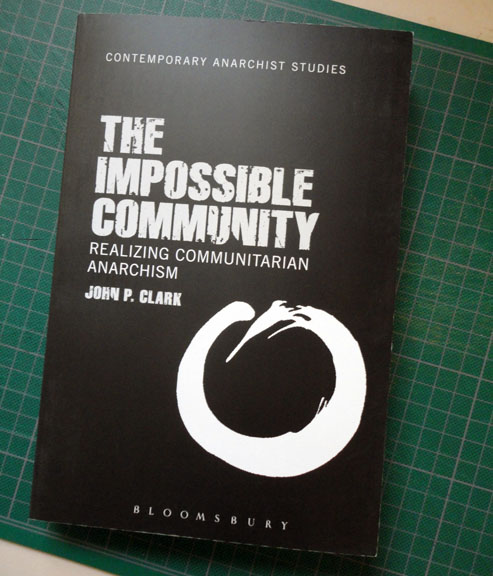 exploitation and domination of one another makes possible similar acts of violence against nature. As long as we remain oblivious to underlying flaws in our collective logic (i.e., that it is reasonable to endlessly consume non-renewable resources on a finite planet; that peaceful, just societies can emerge out of competitive, hierarchical frameworks) any responses we could devise will be insufficient to significantly alter our current course. A social ecological approach to “saving the environment†would require balancing relationships between humans and other humans, and between humans and all other phenomena. It sounds like a tall order…and it is. In light of the obvious destructive effects of systems within which we are obliged to strive for quantity of goods for one over quality of life for all, we are now faced with two choices: pull off the impossible, or perish.
