Children Matter
Coping with the Trauma of Incarcerated Parents
by Diane Lefer
Imagine that as you read these words, someone bursts into the room and holds a gun to your head. Your body and brain react instantly to the threat in ways that can be measured scientifically as cortisol floods your system.
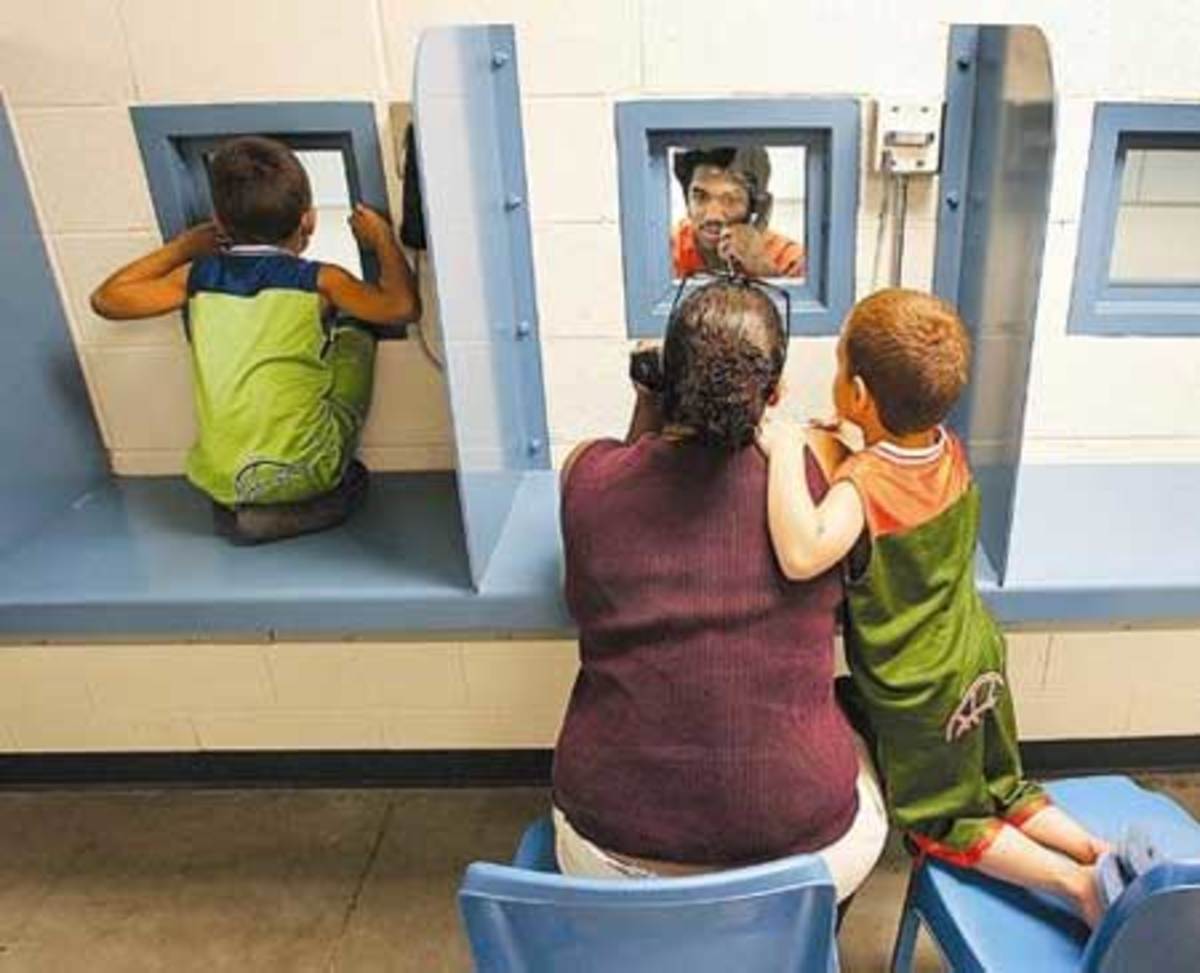 The same level of cortisol is found in young children when separated from a primary caregiver. That absence feels as life-threatening as a loaded gun, explained Ann Adalist Estrin, currently the Director of National Resource Center on Children of Incarcerated Parents.
The adult calms down, she continued, when the threat is ended. Dopamine floods the system with relief. But in a young child, the dopamine response comes from contact with the caregiver. So what happens if the caregiver is gone? Toxic stress can change the chemistry and actual architecture of the developing brain, potentially with lifelong consequences.
Today, approximately 2.7 million American children are separated from a parent because of arrest and lockup in prison or jail. Do we simply accept that these kids will be collateral damage in our culture of mass incarceration? (more…)
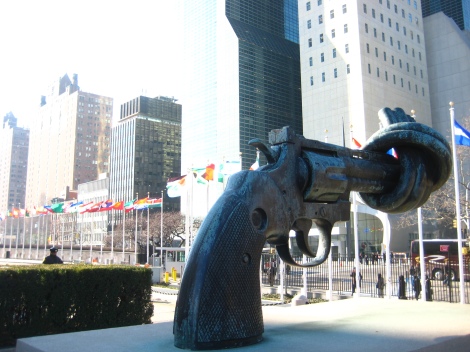 Last month, the day after I left Santa Rosa, Calif., a 13-year-old boy carrying a toy replica of an AK-47 was shot and killed on the outskirts of that town by a Sonoma County deputy sheriff with a reputation for being trigger-happy. The officer had ordered the boy to drop the “gun,†then in a matter of two or three seconds opened fire, giving him no chance to comply.
 The tactic is called stop-and-frisk. As practiced by many police departments, including New York’s, it amounts to blatant racial profiling. Stop-and-frisk makes it impossible for young men of color to lead normal lives, to walk outside without fear of preemptive police harassment. The long-term hatred and tension it engenders does far more harm to a community than all the questionable good that proponents ascribe to it. Security based on racism is a sham.
 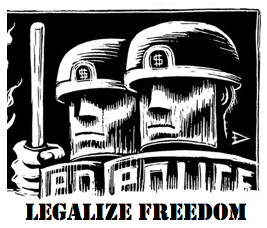 * The threat of physical violence posed by police and associated agencies that can instill fear without even making direct contact with civilians. * Job-insecurity and obsession about money for survival and self-image. * The car-oriented infrastructure that makes most streets potential death zones for pedestrians and bicyclists, not to mention creating ugly urban blight. (Not necessarily listed in order of importance.)
* The threat of physical violence posed by police and associated agencies that can instill fear without even making direct contact with civilians. *Â Job-insecurity and obsession about money for survival and self-image. *Â The car-oriented infrastructure that makes most streets potential death zones for pedestrians and bicyclists, not to mention creating ugly urban blight. (Not necessarily listed in order of importance.)
 The Palm Beach County, Fla. Sheriff’s Office has aÂ
The Palm Beach County, Fla. Sheriff’s Office has a