Becoming Mandela
Media and the Making of Future Madibas
by Matt Meyer
Reading through well over one hundred portrayals of Nelson Mandela, and through the extensive comments made on my own “don’t mourn a myth†perspective which urged that we better understand the contradictions inherent in the man, it is hard not to  conclude that few are worth a second look. If we are working towards assembling a collection of remembrances which might further the causes Mandela once championed, this month of memorials makes little contributions. Despite a fairly shallow overview in the New York Times Magazine, author Bill Keller was at least correct that Madiba was no saint, and that – in fact – it was his all-too-common human attributes of anger, aging, inconsistency and such that should make it possible for people to “aspire to his example.†(more…)
 god of the oceans and seas; Metis, daughter of the Ocean River god and first wife of Zeus, was goddess of intelligence and mother of Athena, goddess of the arts of civilization.
 happened next was entirely predictable. Post after post by various people brought out the names of all kinds of forerunners of Parks, pushing the date of the first brave resister to segregated buses back further and further — many decades — into the past.
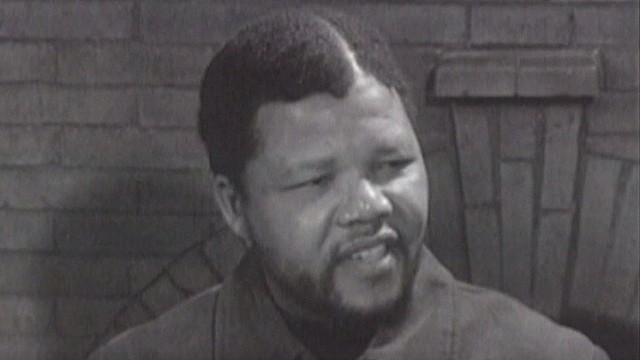 rather heroic although complicated man — with almost one-third of his life spent as a political prisoner who refused to bend on his most basic beliefs and strategies yet lived to lead a mass movement of international dimensions which put a number of those beliefs into practice.
 A violent young rebel is imprisoned for decades but turns that imprisonment into the training he needs. He turns to negotiation, diplomacy, reconciliation. He negotiates free elections, and then wins them. He forestalls any counter-revolution by including former enemies in his victory. He becomes a symbol of the possibility for the sort of radical, lasting change of which violence has proved incapable. He credits the widespread movement in his country and around the world that changed cultures for the better while he was locked away. But millions of people look to the example of his personal interactions and decisions as having prevented a blood bath.
 agreements with indigenous peoples. Then these legal documents are little more than lip-service, or so it seems, based on the actions of the U.S., Canadian, and other governments who have and continued to trample the rights of indigenous peoples with impunity. Instead of being held accountable to the legally binding agreements they have signed, these governments continue to deprive indigenous peoples of their land, their livelihoods, and their cultures. Worse yet, they have the gall to point the finger at indigenous peoples and their allies who resist this continued destruction of their land and resources, calling them the criminals.
 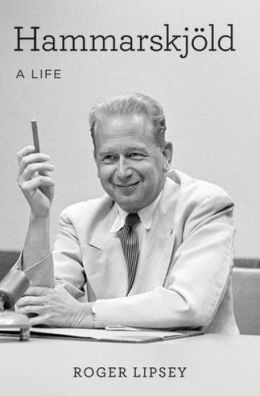 glance Hammarskjöld appears to be, in the combination of his monastic bachelor dedication to his role and his veiled diplomatic tact, a uniquely unknowable person.
