More than a Trend
Urban Agriculture in Mexico City: Healthy and Necessary
by Devon G. Peña
The Colhua Mexica (Aztec) twin island cities of Tenochtitlan and Tlatelolco were filled with urban farms, home kitchen gardens, fish-stocked ponds, and aviaries. Two large lakes south of the cities were filled with highly productive floating gardens known 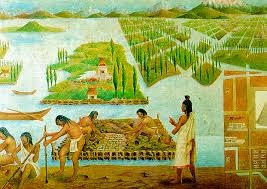 aschinampas. These ancient Mesoamerican city-states were basically food self-sufficient. The conquest destroyed most of these cultural ecological landscapes and built Mexico City with the rubble of demolished temples, schools, colleges, homes, and other buildings. Mexico City has never been able to reproduce this ideal condition of food self-sufficiency and instead basically sucks the energy out of the Mexican countryside and — ever since NAFTA — from fresh produce and processed food imported or manufactured with ingredients from the U.S. and other countries. (more…)
 He watched her from behind a sea of glass. Comfortable, yet irritated at the faint smell of lemon air purifier wafting from the restrooms down the hall, he wished the lemon smell, and the smells they meant to cover, could be contained. Those things weren’t meant for the public nose.
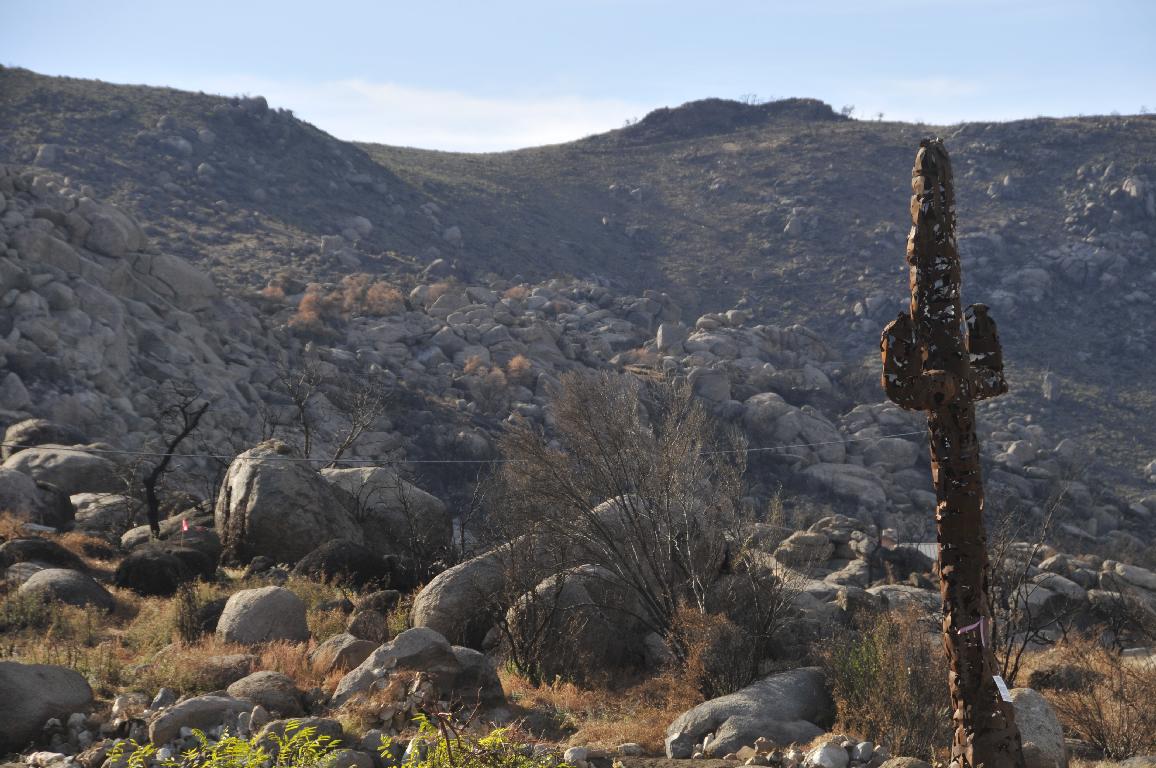 I grabbed my camera and headed out to the Doce Fire area south of Granite Mountain. Fierce little rain squalls gave me subjects to explore visually. The powdered ash deposits post-fire are very vulnerable to erosion, a step in the ecologic process I wanted to capture.
 a millennium, we ought to be able to judge work on its merit — and we ought to have regular celebrations of Erasmus around the world. Some of his ideas are catching on. His name is familiar in Europe as that of the EU’s student exchange program, named in his honor. We ought perhaps to wonder what oddball ideas these days might catch on in the 2500s — if humanity is around then.
 was founder/director of the University of Puerto Rico’s Department of Latin American and Caribbean Studies, founder of the Committee on Human Rights, president of the International PEN Club, and a member of the International Advisory Board of the Peace and Justice Studies Association. He was also this author’s mentor, godfather to my son, and a great friend; it was an honor to be the only non-Puerto Rican to deliver a eulogy at his March 12th funeral. This essay is based on my remarks that afternoon.
  “It’s like I’m in a never-ending battle with my brain,†Kayla said. “They called me Crazy Kayla. I have anger problems. Someone messes with me, I lose it. I was molested, raped, physically and mentally abused. I was in 127 different homes. I have a 3-month-old baby…â€
 The answers provided by the evening’s presenters — all women at various stages of their lives — were various, but there was a common theme: mothers make families, mothers make relationships, mothers make community.
