Restoring Respect
Disrupting the School-to-Prison Pipeline
by Diane Lefer
When the Los Angeles Unified school board voted in May 2013 to ban the practice of suspending students for “willful defiance,” the blogosphere roiled with outrage. “Moron” was one of the mildest words used to attack school board president Monica Garcia and her colleagues. Students were  referred to as thugs and animals, with black and Mexican American students singled out for particular abuse. Teachers said they wouldn’t be able to teach if they couldn’t remove disruptive students from the classroom. Both candidates for mayor declared their opposition to the new policy.
So why would the board want the distinction of being the first school district in the US to take this step?
California Supreme Court Chief Justice Tani Cantil-Sakauye has explained that being suspended triples a young person’s likelihood of contact with the juvenile justice system within the year. A study conducted by Johns Hopkins University and focused on a major city in the Northeast found that even a single suspension in the 9th grade doubled the chance that a student would drop out of high school. (more…)

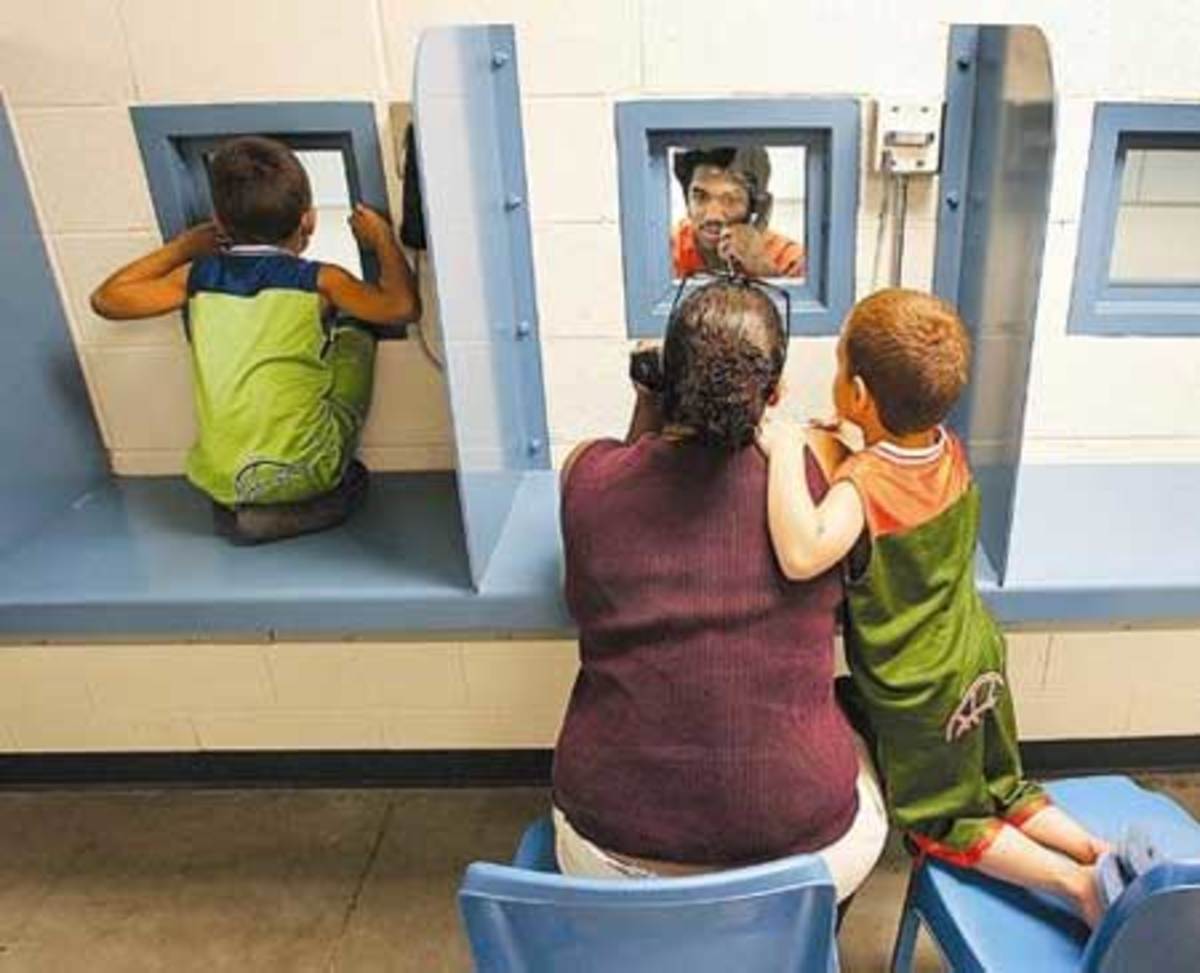 The same level of cortisol is found in young children when separated from a primary caregiver. That absence feels as life-threatening as a loaded gun, explained Ann Adalist Estrin, currently the Director of
 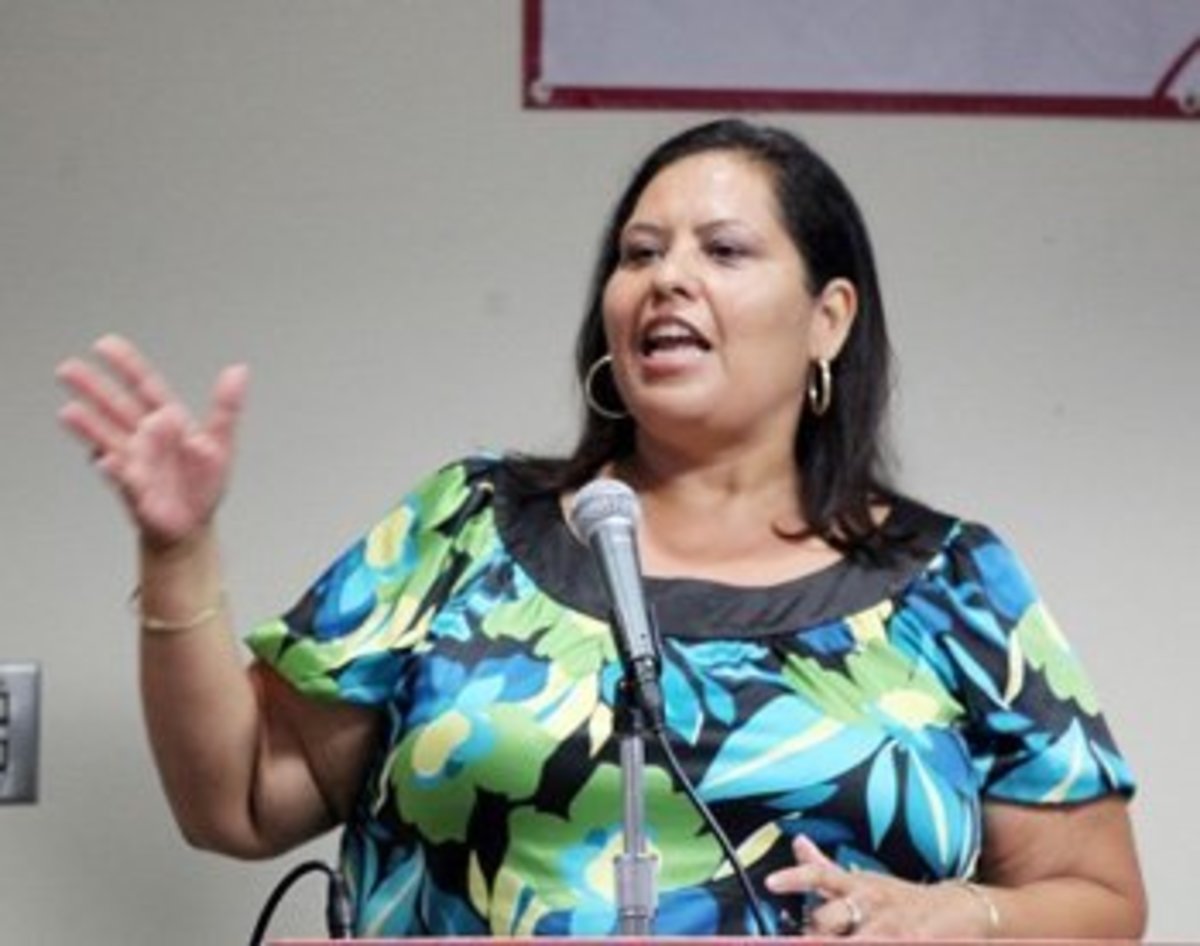 Recently, after the school year began with LAUSD rolling out a plan to replace punitive disciplinary measures with the practices of restorative justice, Garcia was applauded by community advocates at a meeting at Loyola Law School. In return, she gave the activists their props: “It’s because of your advocacy,†she said.
 seeking to reenter society. She liked what I’d done advocating for gang members, prisoners, and criminal justice reform, but in her view I had fallen short. “You have to meet the victims, too,” she said.
 That was the statement sent out by theÂ
That was the statement sent out by the