No Glory in War
Reflections on the Day from a Veteran
by Andrew Larkin
I am a veteran — of the Vietnam era, as are my friends and my brothers.  My father, uncles, and an aunt were veterans of World War II.  A great uncle was stationed on a battleship during World War I.  A great-grandfather fought in the Civil War, an immigrant in an  Illinois regiment who suffered the rest of his life from his bullet wound.
Veterans Day on November 11 was formerly Armistice Day, celebrating the end of the Great War.  But it has turned from a celebration of peace to a celebration of the false glory of war.
War damages everything associated with it, not only the sailors and soldiers but the civilians including the children, not only the body but the mind and the spirit.  Glorification of war becomes support for more war, for accepting the easy violence of war instead of the difficult peaceful resolution of human problems. (more…)
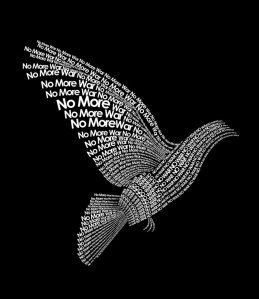 continues, measured in terms of deaths, injuries, trauma, millions of people having to flee their homes, financial cost, environmental destruction, economic drain, and erosion of civil and political rights.
 For me, the question that immediately follows is: What kind of politics draws power from resources other than the deep pockets of billionaires? Just because the world is sick of war, how will that ever translate into serious political action to defund standing armies and ongoing weapons research? How will it ever cohere into a consensus that has political traction? Does Washington, D.C. only have room for one consensus?
 and around the globe came into sharp focus. Though the remarks of Zambian Vice President Guy Scott — that South Africa is disliked among Africans for “the same reason that Latin Americans dislike the United States†— were uncharacteristically undiplomatic, many South Africans were forced to admit that Scott’s impression is increasingly on the mark. With South African National Defense Force (SANDF) troops deployed in the Democratic Republic of the Congo, in the Central African Republic, in Liberia, Ethiopia, Mozambique, the Sudan, Burundi and elsewhere, it is not surprising that some analysts — such as University KwaZulu-Natal’s Patrick Bond — call South Africa’s current position nothing short of “sub-imperialist.â€
 there are few hints of the activism to come.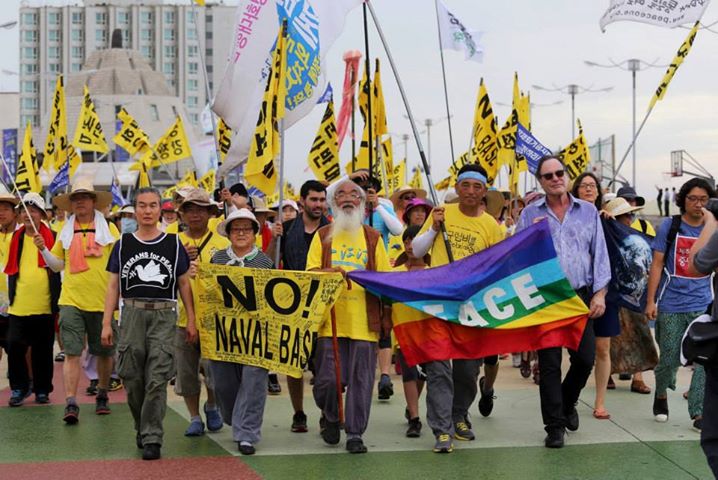
 Indeed, imagine if we knew that doing this was an option.
