A Sustainable Future
Visions of a Post-Carbon World
by Peter G. Cohen
Surely one of the reasons that it is so difficult to achieve meaningful environmental legislation is that we don’t have a vision of a sustainable future. That’s understandable. For the last 250 years we’ve used coal and oil for energy rather than human and animal  labor with great success. We’ve become dependent on carbon fuels. Coal and oil companies have spent millions to make sure that it stays that way.Â
Coal has become the main source of electricity, which is so wonderfully clean and convenient that people can’t wait to get the latest electrical gadgets. Oil developed with the gasoline engine in cars, ships and planes. Now it is also essential for plastics and hundreds of chemicals. Gas was at first a lighting fuel and now can be used to heat homes and dinners, to power cars, electrical generators and factories.
These fossil fuels have been an enormous benefactor of mankind. We resist learning that by burning them we are destroying the climate that makes life possible. Furthermore, the big enemy, atmospheric CO2, is invisible. We can see smoke and soot, but not carbon dioxide or methane. They are invisible assailants. We must trust our scientists to read the signs of degrading earth and changing weather. Everything that science has predicted about climate change is coming true, only at a faster rate than anticipated. (more…)
 Later, mid-afternoon, as I walked to the grocery, a disheveled man approached. “Can you spare a dime? I need something to eat,†he said. I started to tell him I’d tossed one on his behalf just hours before — that if my wish came true, he wouldn’t be hungry. No one would.
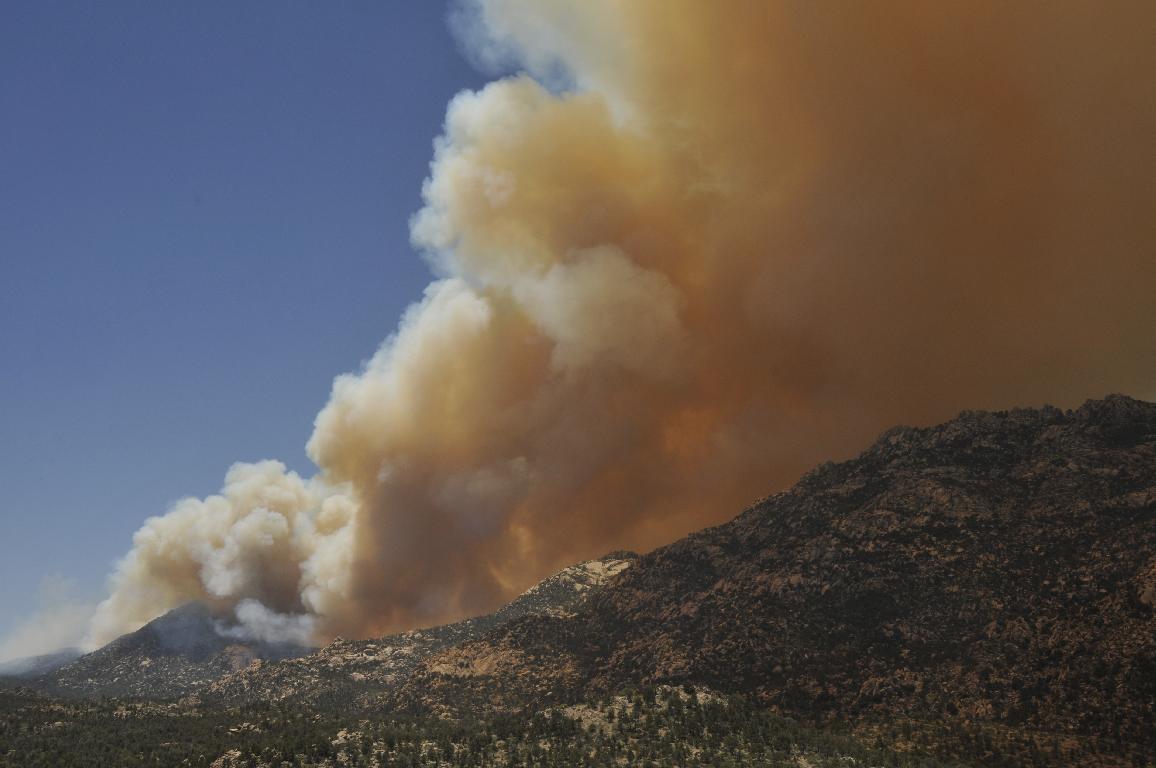
 teases us with clouds trailing virga — and even a few drops of liquid that reach the ground — but the hot winds accompanying the clouds continue their mischief, and dry lightning ignites new blazes around the county. A microburst (sorry, not an artisan brew) takes down trees in town and starts a fire. The firefighters are still out there at the mountain, and aircraft drone overhead on their missions of attempted control. But for most of us, the adrenalin has subsided; our fears have receded.
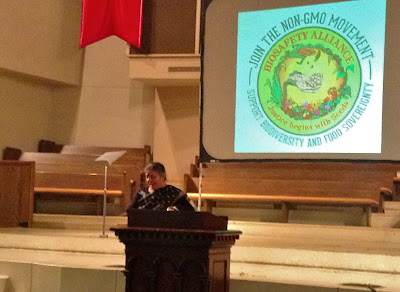 organizers, seed savers, plant breeders, consumer right-to-know activists, research scholars, students, philanthropists, entrepreneurs, and elected officials. What we all shared in common is a thirst for justice and an understanding that “Justice Begins with Seeds,†which was the theme of the meeting organized by the California-basedÂ
organizers, seed savers, plant breeders, consumer right-to-know activists, research scholars, students, philanthropists, entrepreneurs, and elected officials. What we all shared in common is a thirst for justice and an understanding that “Justice Begins with Seeds,†which was the theme of the meeting organized by the California-based  In it, Buffett takes to task what he calls “the Charitable-Industrial Complex,†the philanthropic crowd who piously seek to save the world, as long as the R.O.I. is sufficiently rosy and the status quo is not upset.
 My colleague — who is a highly respected activist in New Mexico — declared that the movement is largely dead. The EJM, she explained, is a casualty of defunding and especially the loss of financial support for the various national and regional networks. There is no national movement, she argued, because the funders abandoned their commitment to the EJ organizations.