It’s the Ownership
New Book Highlights What We Must Do
by David Swanson
If you’re like me you’ve read several books that list inspiring examples of worker owned businesses and co-ops, suggesting that  expanding on such models might begin to right the wrongs of an incredibly unequal society that is growing even more unequal by the day.
The best such collection I’ve found is in a new book by Gar Alperovitz called What Then Must We Do? This book also offers a powerful argument that radical change is needed, albeit an argument with some possible flaws. First the inspiring examples:
Workers own and run factories in Cleveland, Atlanta, Washington DC, Amarillo, and many other cities. Labor unions that once opposed worker ownership, including the Steelworkers and several others, now create worker-owned companies. Forty percent of Americans are members of cooperatives, including credit unions. People moved hundreds of millions of dollars, if not billions, from large banks to credit unions and small banks in 2011 and 2012. (That should continue!) Then there are community development corporations and land trusts, alive and thriving. There are even corporations redesigned, and labeled B Corps, chartered under new laws in 12 states to allow them to legally pursue the social good as well as profits. (more…)
 the American prominence of the movement has faded, worldwide if scattered resistance continues. Focusing on domestic possibility, Matthew Fox and Adam Bucko in conversation relate their stories and create an agenda in Occupy Spirituality: A Radical Vision for a New Generation (Berkeley: North Atlantic, Sept. 3, 2013). Jay Michaelson shares their ideal, if from an arguably more specific perspective, as his title Evolving Dharma: Meditation, Buddhism, and the Next Generation of Enlightenment (Berkeley: North Atlantic, Oct. 15, 2013) indicates. This review explores their intersections, and summarizes their visionary themes, beginning with the Occupy book.
  May 29th marked 32 years since Puerto Rican activist Oscar López Rivera was arrested and later convicted of “seditious conspiracy,†a questionable charge that Archbishop Desmond Tutu has interpreted to mean “conspiring to free his people from the shackles of imperial injustice.â€
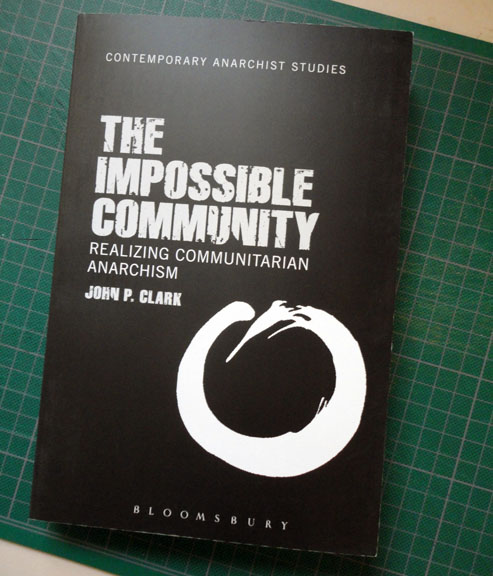 exploitation and domination of one another makes possible similar acts of violence against nature. As long as we remain oblivious to underlying flaws in our collective logic (i.e., that it is reasonable to endlessly consume non-renewable resources on a finite planet; that peaceful, just societies can emerge out of competitive, hierarchical frameworks) any responses we could devise will be insufficient to significantly alter our current course. A social ecological approach to “saving the environment†would require balancing relationships between humans and other humans, and between humans and all other phenomena. It sounds like a tall order…and it is. In light of the obvious destructive effects of systems within which we are obliged to strive for quantity of goods for one over quality of life for all, we are now faced with two choices: pull off the impossible, or perish.
  science fiction, historical fiction, dramas, and reenactments pre-censored
  prison policy. The author, Shawn Griffith, was released last year from Florida’s prison system at the age of 41, after spending most of his life, almost 24 years, behind bars, including seven in solitary confinement.Â
prison policy. The author, Shawn Griffith, was released last year from Florida’s prison system at the age of 41, after spending most of his life, almost 24 years, behind bars, including seven in solitary confinement.  in the political upsurges of the 1930s, in both Mexico and the United States. Many photographers were political activists, and saw their work intimately connected to workers strikes, political revolution or the movements for indigenous rights.
