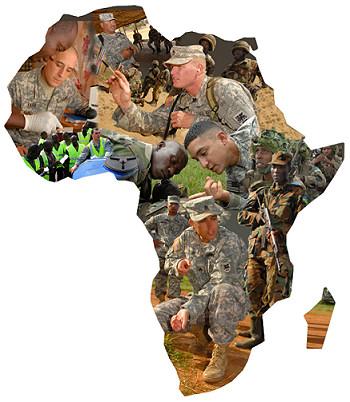
The Moment Is Now!
African Civil Resistance in 2015
by Matt Meyer
“I am younger than I was YEARS AGO!†proclaimed South African activist Zenzile Khoisan, known to many around the world as the exiled freedom fighter who spent many years in New York City as an intrepid reporter for Pacifica  radio. A skilled journalist, he returned to his homeland as a lead investigator for the Truth and Reconciliation Commission. Khoisan’s optimistic outlook in the face of increasingly bleak domestic conditions is not only a grand way to start the new year, or – as it were – to start the first morning plenary of the War Resisters’ International (WRI) conference held at Cape Town’s historic City Hall. It is also symptomatic of the hope still evident in the country with the current highest per capita rate of mass mobilizations, civil society protests, labor strikes, and general unrest. It is a fitting cry of exuberance and excitement from a continent bubbling over with grassroots initiatives and actions in every corner of its vast land mass, built by diverse people who are coming together with growing enthusiasm and a unified perspective that the power of the people – greater than any government or even transnational corporate giant – will be the determining factor in the years to come. (more…)
 conclude that few are worth a second look. If we are working towards assembling a collection of remembrances which might further the causes Mandela once championed, this month of memorials makes little contributions. Despite a fairly shallow overview in the New York Times Magazine,
 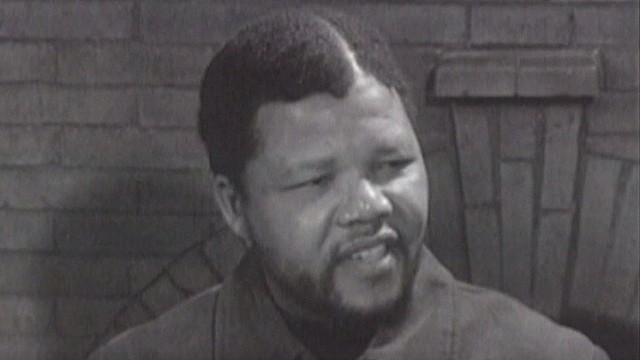 rather heroic although complicated man — with almost one-third of his life spent as a political prisoner who refused to bend on his most basic beliefs and strategies yet lived to lead a mass movement of international dimensions which put a number of those beliefs into practice.
 A violent young rebel is imprisoned for decades but turns that imprisonment into the training he needs. He turns to negotiation, diplomacy, reconciliation. He negotiates free elections, and then wins them. He forestalls any counter-revolution by including former enemies in his victory. He becomes a symbol of the possibility for the sort of radical, lasting change of which violence has proved incapable. He credits the widespread movement in his country and around the world that changed cultures for the better while he was locked away. But millions of people look to the example of his personal interactions and decisions as having prevented a blood bath.
 and around the globe came into sharp focus. Though the remarks of Zambian Vice President Guy Scott — that South Africa is disliked among Africans for “the same reason that Latin Americans dislike the United States†— were uncharacteristically undiplomatic, many South Africans were forced to admit that Scott’s impression is increasingly on the mark. With South African National Defense Force (SANDF) troops deployed in the Democratic Republic of the Congo, in the Central African Republic, in Liberia, Ethiopia, Mozambique, the Sudan, Burundi and elsewhere, it is not surprising that some analysts — such as University KwaZulu-Natal’s Patrick Bond — call South Africa’s current position nothing short of “sub-imperialist.â€