A Meaningful Future
What Real Immigration Reform Would Look Like
by David Bacon
Oralia Maceda, an immigrant mother from Oaxaca, asked the obvious last weekend in Fresno. At a meeting, talking about the Senate immigration reform bill, she wanted to know why Senators would spend almost $50 billion on more border walls, yet show no interest  in why people leave home to cross them.
This Congressional blindness will get worse as immigration reform moves to the House. It condemns U.S. immigration policy to a kind of punitive venality, making rational political decisions virtually impossible. Yet alternatives are often proposed by migrant communities themselves, and reflect a better understanding of global economics and human rights. (more…)
 the other side by the widening of an avenue, which would escalate traffic speeds on an already dangerous road.
 My colleague — who is a highly respected activist in New Mexico — declared that the movement is largely dead. The EJM, she explained, is a casualty of defunding and especially the loss of financial support for the various national and regional networks. There is no national movement, she argued, because the funders abandoned their commitment to the EJ organizations.
 let’s not forget the lowly commons all around that enrich our lives. Things like sidewalks, playgrounds, community gardens, murals, neighborhood hangouts, and vacant lots. Especially vacant lots.
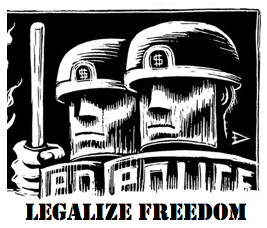 * The threat of physical violence posed by police and associated agencies that can instill fear without even making direct contact with civilians. * Job-insecurity and obsession about money for survival and self-image. * The car-oriented infrastructure that makes most streets potential death zones for pedestrians and bicyclists, not to mention creating ugly urban blight. (Not necessarily listed in order of importance.)
* The threat of physical violence posed by police and associated agencies that can instill fear without even making direct contact with civilians. *Â Job-insecurity and obsession about money for survival and self-image. *Â The car-oriented infrastructure that makes most streets potential death zones for pedestrians and bicyclists, not to mention creating ugly urban blight. (Not necessarily listed in order of importance.) expanding on such models might begin to right the wrongs of an incredibly unequal society that is growing even more unequal by the day.
 the American prominence of the movement has faded, worldwide if scattered resistance continues. Focusing on domestic possibility, Matthew Fox and Adam Bucko in conversation relate their stories and create an agenda in Occupy Spirituality: A Radical Vision for a New Generation (Berkeley: North Atlantic, Sept. 3, 2013). Jay Michaelson shares their ideal, if from an arguably more specific perspective, as his title Evolving Dharma: Meditation, Buddhism, and the Next Generation of Enlightenment (Berkeley: North Atlantic, Oct. 15, 2013) indicates. This review explores their intersections, and summarizes their visionary themes, beginning with the Occupy book.
