Revisiting Reentry
New Books Explore the Challenges of Coming Home from Prison
by Victoria Law
“Reno hadn’t wanted to stay in prison, but she wasn’t ready for the streets. Wasn’t half the way she remembered.†— Sin Soracco, Edge City
 California’s prison system has continually made news this past year. Over 30,000 people rocked its prison system with a mass hunger strike that lasted nearly 60 days.  News about coerced sterilizations in its women’s prisons shocked and outraged prisoner rights and reproductive justice activists, leading to legislative hearings. At least two prison sites were found to be toxic. People sentenced under California’s Three Strikes continue to languish in prison and the numbers of prisoners aged 55 or older have increased by over 500% between 1990 and 2009. To top it off, Governor Brown continues to resist the 2011 Supreme Court order to decrease prison overcrowding. (more…)
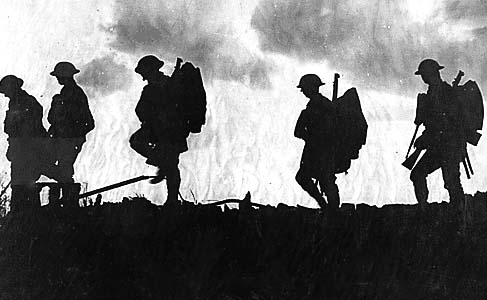 of warfare, from February through December 1916). On November 11, 2018, we’ll mark the one hundredth anniversary of the armistice that ended the fighting at the eleventh hour of the eleventh day of the eleventh month.
 conclude that few are worth a second look. If we are working towards assembling a collection of remembrances which might further the causes Mandela once championed, this month of memorials makes little contributions. Despite a fairly shallow overview in the New York Times Magazine,
  happened next was entirely predictable. Post after post by various people brought out the names of all kinds of forerunners of Parks, pushing the date of the first brave resister to segregated buses back further and further — many decades — into the past.
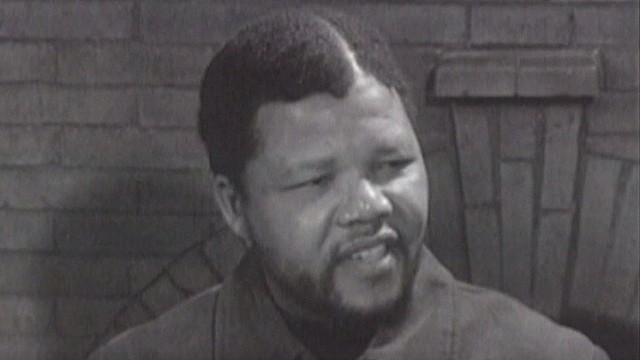 rather heroic although complicated man — with almost one-third of his life spent as a political prisoner who refused to bend on his most basic beliefs and strategies yet lived to lead a mass movement of international dimensions which put a number of those beliefs into practice.
 A violent young rebel is imprisoned for decades but turns that imprisonment into the training he needs. He turns to negotiation, diplomacy, reconciliation. He negotiates free elections, and then wins them. He forestalls any counter-revolution by including former enemies in his victory. He becomes a symbol of the possibility for the sort of radical, lasting change of which violence has proved incapable. He credits the widespread movement in his country and around the world that changed cultures for the better while he was locked away. But millions of people look to the example of his personal interactions and decisions as having prevented a blood bath.
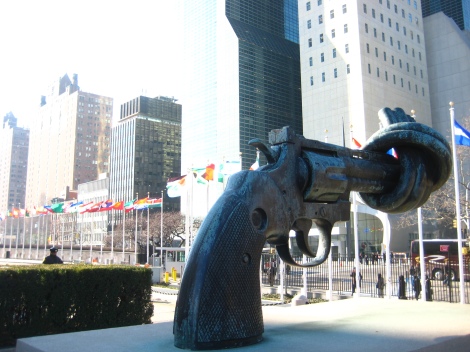 Last month, the day after I left Santa Rosa, Calif., a 13-year-old boy carrying a toy replica of an AK-47 was shot and killed on the outskirts of that town by a Sonoma County deputy sheriff with a reputation for being trigger-happy. The officer had ordered the boy to drop the “gun,†then in a matter of two or three seconds opened fire, giving him no chance to comply.
